
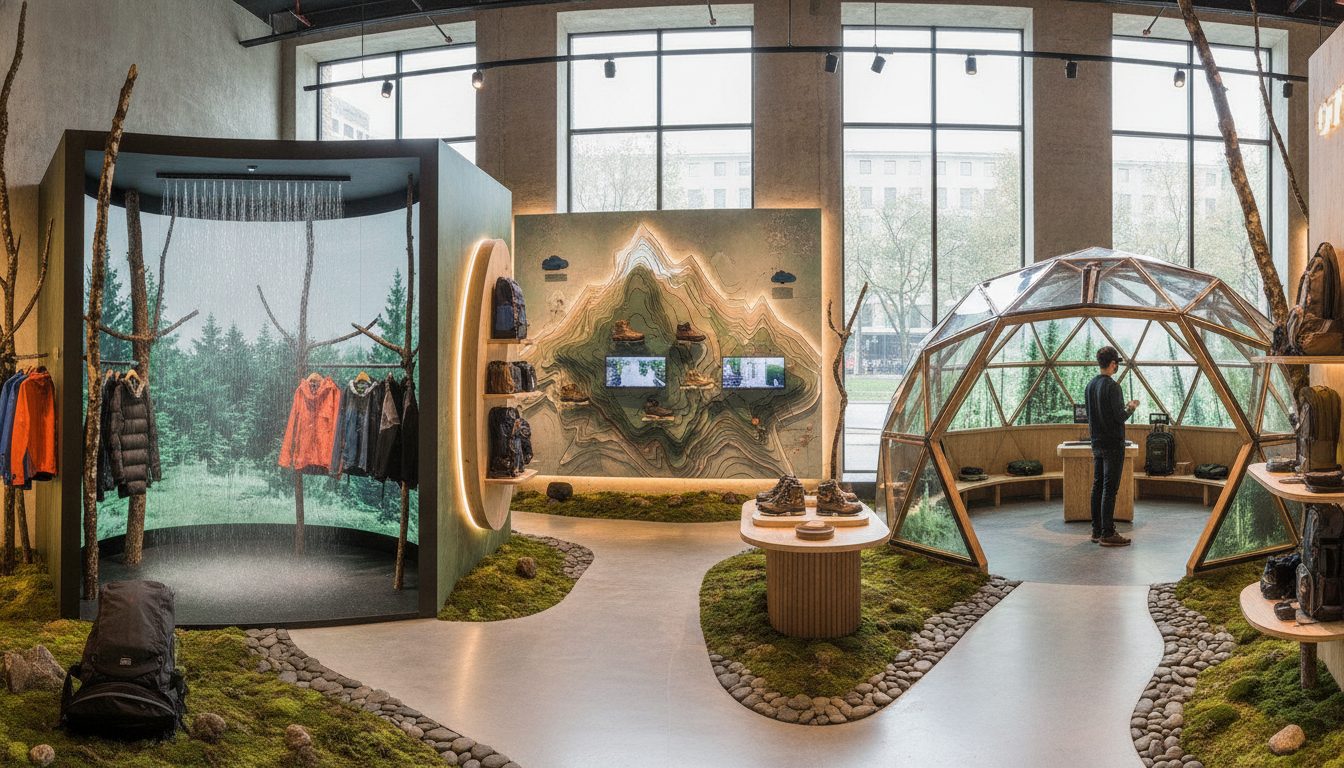
Why Immersive Retail Is in the Spotlight
Immersive retail has everyone talking, and for good reason. Brands want in-person shopping to stand out, not just blend into the background. Alec Cole recently laid out how companies are reimagining stores as interactive spaces, using multisensory design and events to turn shopping trips into actual destinations.
This isn’t just about making stores look nice—it’s about creating places where you want to hang around, play, and get a real taste of a brand’s personality. The momentum behind this trend isn’t just hype: a 2025 PLoS One study found a clear, statistically significant link between a store’s vibe and the pleasure customers get from products. In short, the way a shop feels can directly dial up how much people enjoy and value what you offer, boosting satisfaction, trust, and loyalty.
What’s Actually Happening: Concrete Examples and Tactics
If you ask Alec Cole, immersive retail means letting customers experience products in their natural habitat—thanks to clever design and hands-on features. Sonia Mosseri from Still Here, the denim brand, takes a hospitality-first approach, aiming for her stores to become memorable stops, not just places to buy jeans. As Mosseri outlined on the Shopify Masters podcast, she wants people to leave with a feeling—even if they walk out empty-handed.
That shift from “buy now” to “feel something” is a subtle but powerful way to build loyalty and brand love.
Danielle Hoo, Director of Digital Product at Our Place, points to their Venice, California showroom as a showcase for immersive thinking. Instead of a basic product grid, the team designed the space to look and feel like a home kitchen, with real cabinets, shelves, and tile. Shoppers are encouraged to handle the cookware and tableware just like they would at home—testing them under different lights, picturing them in their own routines.
They didn’t stop there: the showroom doubles as a café and features a backyard, hosting everything from pop-ups to cooking classes and book launches. At past events, guests have shared meals straight from the Wonder Oven or on Our Place’s plates, making demos into full-on sensory experiences. This mix of hospitality, learning, and community building turns the showroom into a hub, not just a store.
Then there’s the Loewe × On Running collaboration, which takes things up a notch. In spots like Selfridges in London and Dubai Mall, their showrooms feature a digital floor that creates virtual footprints with every step—a nod to the light, cushioned feel of the shoes. Designed by AKQA, this interactive floor blends tech with tactile appeal, spotlighting the shoes’ main selling point: that “walking on clouds” sensation.
Charlie Smith, Loewe’s Chief Marketing and Communication Officer, explains that this installation was built to add another layer to the in-store visit, centering on movement and comfort. Here, technology isn’t just a gadget—it’s a meaningful extension of the product’s story, letting shoppers literally feel what sets the shoes apart.
Revenge Of, the concept store from Jeff Eyser and Joe Myers, offers a different flavor of immersion by drawing on their production design chops. The shop splits into three themed areas: a bodega-inspired section with concrete walls and vintage fridges; a neon-lit, spaceship-style pinball arcade; and a base station zone that fuses both, complete with barstools and a phone booth. This thoughtful narrative layout nudges you to explore and discover, echoing the “third spaces” Eyser and Myers loved as kids.
The point: browsing here is an experience in itself, not just a transaction.
Why This Matters for Your Business
If you run a business, the move toward immersive retail is about more than making things pretty. Cole draws on the PLoS One study, which found that a fun in-store atmosphere actually makes products feel more valuable—leading to happier customers and stronger trust in your brand. These are must-haves in a world where online shopping wins on convenience but often leaves people emotionally cold.
A well-designed immersive space can set your brand apart, encouraging people to come back and talk about you. Think about it: someone who joins a cooking class at Our Place or tries out the Loewe × On digital floor is much more likely to remember—and share—the experience, letting your brand travel further by word of mouth.
And don’t write this off as something only the big luxury players can pull off. Retail strategist Tiffany Langenbacher stresses that immersive retail is on the table for everyone, provided you focus on your real audience and invest in what will actually move the needle. Even if your budget is tight, you can create remarkable moments by being authentic and relevant, not just flashy.
Maybe you host a hands-on workshop, put together a unique display, or launch a pop-up event that tells your story. The point is to create something memorable that fits your brand and your audience—no marble floors required.
How to Start Building Immersive Retail Experiences
- Understand Your Target Customer: Begin by identifying who your customers are, not just who you hope they are. Use retail market research, competitive analysis, and customer surveys to gather data on demographics, preferences, and shopping habits. Ecommerce analytics can also reveal patterns in your existing audience. The goal is to uncover the shared interests and behaviors that can inform your immersive experience. For example, Our Place recognized that their audience values both cooking and aesthetics, leading them to design a showroom that feels like a home kitchen and offers culinary events.
- Design Cohesive Immersive Elements: Develop a single, recognizable creative idea and carry it consistently through every aspect of the retail environment. Tiffany Langenbacher describes a collaborative pop-up with Barneys NYC and Rick Owens, where the entire space was transformed into a “world of Rick Owens.” Mannequins displayed the designer’s products, custom furniture pieces were featured, and even the food served was co-designed by Rick Owens. This level of detail ensures that every customer touchpoint reinforces the brand’s identity. Visual merchandising, lighting, décor, and sensory cues should work together to guide exploration and keep products central to the experience. Think about how customers move through the space and what emotions or memories you want them to take away.
- Work Within Your Means: Immersive retail does not require a massive budget. Langenbacher suggests using AI tools like ChatGPT and Gemini to brainstorm and refine design concepts quickly and cost-effectively, shortening the feedback loop and reducing the need for expensive design teams. Allocate resources to the elements that will have the greatest impact, such as interactive displays, creative layouts, or short-term pop-up spaces. For emerging businesses without permanent locations, a single-day pop-up can be effective if you focus on strong design, interactive activities, and targeted marketing to attract visitors. Even simple immersive touches—like letting customers handle products or offering a unique event—can elevate the experience.
Practical Takeaways for Implementation
- Leverage Technology Thoughtfully: Digital screens, augmented reality, and interactive displays can enhance the in-store experience if they align with your brand and add genuine value. For example, using a 3D scanner to let customers visualize products in their own spaces can bridge the gap between online and offline retail.
- Engage the Senses: Consider how sight, sound, touch, and even taste or smell can be incorporated into your store. Multisensory experiences make visits more memorable and help products stand out.
- Host Events and Workshops: Whether it’s a cooking class, product demo, or themed gathering, events encourage participation and foster community around your brand.
- Iterate Based on Feedback: Collect feedback from customers during and after immersive experiences to refine your approach. Real-world reactions are invaluable for improving future designs and offerings.
My Take: The Promise and the Pitfalls
I see immersive retail as a sharp tool for standing out—especially now that online shopping feels more like a vending machine than a personal experience. The strongest examples don’t rely on glitzy tech or lavish décor. They just make you want to stay, explore, and remember.
But there’s a trap: if you lose track of who your customer is, or get carried away with gimmicks, you’ll miss the point. Not every shop needs a digital floor or themed rooms. Authenticity and relevance should guide you—your immersive features ought to underscore your brand, not distract from it.
And while AI can accelerate design work, it won’t replace your grasp of your audience or the insights you get from real feedback.
The Bottom Line
Immersive retail pays off when it’s by design, rooted in what your customers care about, and true to your brand. Start with your audience, test ideas within your budget, and keep in mind: your goal is to make the shop memorable, regardless of whether someone buys today. The best immersive retail doesn’t just sell—it builds stories, connections, and value people want to come back for.