
Instagram’s Big Bet on Long-Form Video and TV Viewing
Instagram is no longer content with being just a phone app. In one week, it rolled out two big updates: Features, a new format that lets you post horizontal videos up to 90 minutes, and its own TV app for Apple TV. Instagram’s leadership—Adam Mosseri and Tessa Lyons—are quite clear: they want your content to move from your pocket to your living room screen.
For brands, this isn’t just another tweak. It’s a shift in where and how your audience will engage with creators’ work.
What’s New: Features, Linked Reels, Series, and TV App Expansion
On October 26, Adam Mosseri and Tessa Lyons pulled back the curtain on Features—Instagram’s biggest swing at long-form video since it shut down IGTV in 2022. For now, Features is being tested in Brazil, with a handful of US creators up next. The idea is simple: let creators upload horizontal videos up to 90 minutes, aiming squarely at content like podcasts, vlogs, and interviews that have always thrived on YouTube.
At the same time, Instagram is rolling out Linked Reels. Certain creators can now post a short Reel that sends people directly to a full-length Feature. That means a viewer can hop from a 30-second teaser straight to a full episode—unlike IGTV, which kept long videos boxed off in their own app and never really caught on.
There’s also a new Series section in the works—a dedicated place for episodic Reels. This is Instagram’s answer for recurring shows that need consistent followers and steady sponsorship, much like the popular series you see on YouTube and in the podcast world.
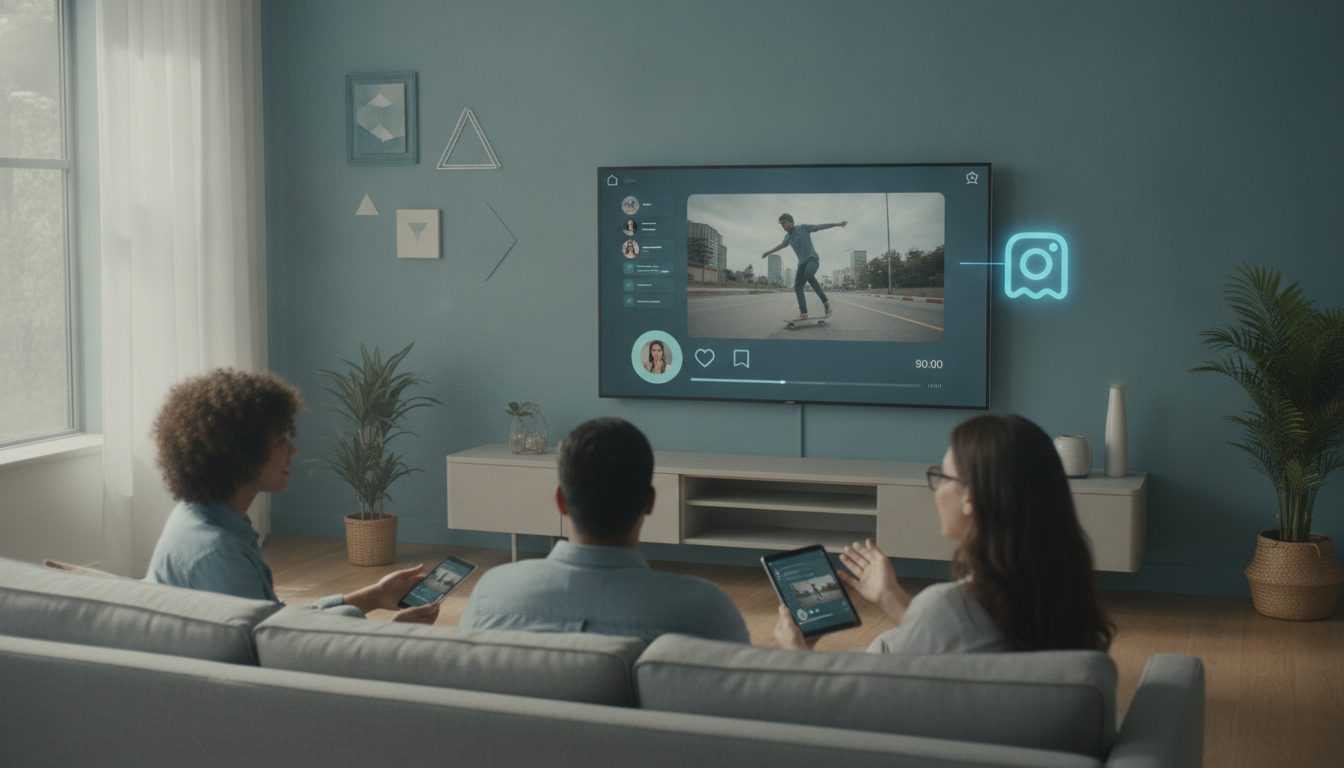
On the distribution side, Instagram’s TV app is now available for Apple TV, joining the likes of Fire TV, Google TV, and Samsung’s smart TVs. The app covers Reels, longer videos, live streams, and even supports watching with friends or family. The timing isn’t random: Instagram wants to control the full experience, from a quick mobile scroll to a full-feature episode on your couch.
Why This Isn’t Just IGTV 2.0
If you remember IGTV, you know it never really worked as planned. Launched in 2018 and gone by 2022, IGTV struggled because it was a separate app and didn’t mesh with Instagram’s main sharing and discovery features. The result? Creators used Instagram for reach, then sent fans to YouTube or podcasts for deeper engagement and revenue.
This time, Instagram is embedding Features right inside the main app, tying it closely to Reels—the format already driving most shares. A short Reel becomes a trailer, linking users directly to the full Feature, which they can save and watch later on the TV app. That seamless jump from group chat to TV is the big difference.
It keeps both users and ad spend inside Instagram, letting creators try long-form content without rebuilding their audience elsewhere.
As Mosseri put it, Reels get more shares and direct messages than longer videos. But with Linked Reels, that short clip is a gateway to something more in-depth. Instagram’s bet is that this integration will work where IGTV fell short.
The Business Model: Brand Deals Take Center Stage
If you’re a brand, here’s the key: how do creators actually get paid for these longer videos? Mosseri told The Colin and Samir Show that, at least for now, it’s mostly through brand deals. Instagram’s own payout program is too small to scale, and Meta hasn’t announced anything long-term for Features.
So, in the short term, brand partnerships will fund this long-form push. Some creators, like those behind "Subway Takes" and "Brooklyn Coffee Shop"—both cited by Instagram for the Series pilot—already fit this model. Their recurring formats and familiar hosts are just what sponsors buy on YouTube and in podcasting.
Right now, creators need sponsors more than sponsors need any single creator. That gives brands leverage to negotiate smart terms. Until Instagram comes up with a standard payout model, first-mover brands can shape how deals look and what they cost.
What This Means for Your Brand Strategy
Instagram’s move to the living room isn’t happening in a bubble. Nielsen numbers (cited by Instagram) show YouTube drove 16% of US TV viewing in August—twice what Netflix managed. Instagram’s team knows a real TV experience needs more than bite-sized videos, hence the joint launch of Features and the TV app.
For brands, this changes the planning. A sponsored Feature airing on a living room TV is more like a connected TV (CTV) placement than a regular feed post. That may mean different budgets, new creative needs, and success metrics that focus on completion rates and co-viewing, not just reach.
Early adopters have a window to set the norms for pricing, formats, and measurement before the rules are written. Brands that get their social and video teams aligned now will have an edge in deciding where this spend fits in their bigger marketing picture.
How to Navigate Instagram’s Long-Form Launch: Practical Steps
- Treat Features Like a CTV Buy: Plan for creative and metrics that match TV viewing—think completion rates and co-viewing, not just scroll-stopping.
- Move Early While Leverage Exists: With no established going rate and creators needing funding, first-mover brands can negotiate favorable deals and set expectations.
- Prioritize Series Over One-Offs: Recurring shows with consistent hosts are proven sponsorship vehicles on YouTube and podcasts. Instagram’s upcoming Series section is built for this model.
- Lock In Terms Up Front: Before production, clarify host-read sponsorships, integration placement, runtime, usage rights, and whether cutdowns can be used as Reels or paid ads.
- Vet Creators for Long-Form Skill: Success in short Reels doesn’t guarantee the ability to hold attention for 30-90 minutes. Look for creators with a proven track record in long-form formats.
- Ask the Right Measurement Questions: Confirm what watch-time and completion data will be shared, what happens if the Features test ends, and how TV views will be reported compared to mobile.
My Take: Opportunity and Uncertainty in Equal Measure
In my view, Instagram’s long-form and TV play is both smart and risky. They’re adapting to the reality that audiences watch creator content on their TVs—and YouTube owns that turf. By making long-form work inside the main app and connecting it with Reels, Instagram is cutting out friction and keeping both viewers and ad budgets in-house.
But let’s be honest: there’s plenty of uncertainty. The long-form payout model is still up in the air, so brand deals are the only clear route to make money right now. That means creators need to hustle for sponsors, and brands should hammer out the details early—before the format becomes rigid. The main risk for brands is that measurement and reporting are still in flux, making early benchmarks tricky to pin down.
The brands that win will be those who act early, negotiate well, and treat this as a real TV placement—not just another social post. But don’t assume every short-form creator can suddenly deliver a compelling 90-minute episode. Make sure you’re choosing creators with actual long-form chops, and get clarity on rights and reporting from day one.
The Bottom Line
If you move fast and think of Features as a connected TV channel, Instagram’s long-form push is a solid opportunity. The brands that help define this format now will set the rules—and claim the rewards—before everyone else gets wise.
Source: Later